English| EUR
Suggested for you
More currencies
Choose a language
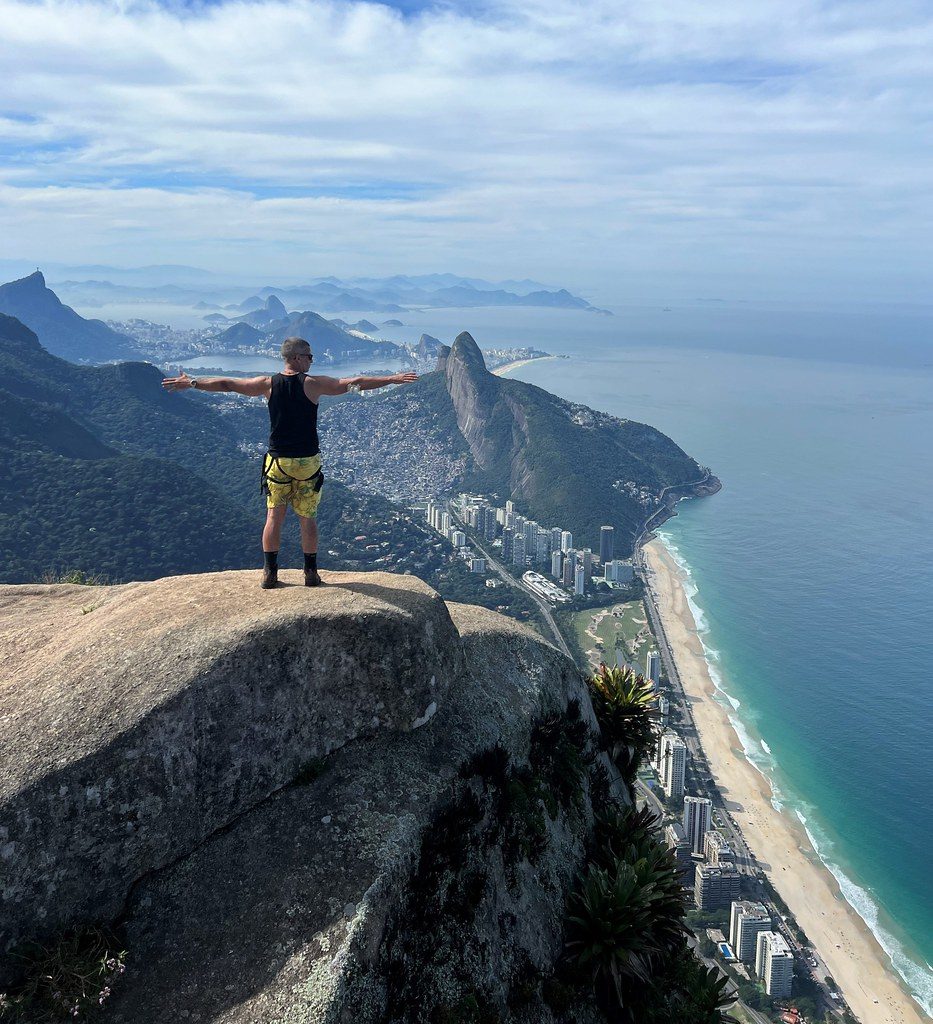
Pedra da Gávea rises 842 meters above Rio de Janeiro, its granite face and exposed summit drawing thousands of hikers each year. The trail has recorded fatal accidents, most linked to weather, inexperience, and the final scramble to the summit. Understanding the risks and preparing accordingly turns this technical hike into a manageable challenge.
Quick answer
Pedra da Gávea has recorded multiple fatalities over the past two decades, with most pedra da gavea hike deaths occurring during or after rain, on the final vertical scramble known as Carrasqueira, or when hikers attempt the summit without a guide. Slippery granite, loose rock, and sudden weather shifts are the primary factors. Hiring a certified guide, avoiding wet conditions, and wearing proper footwear reduce risk significantly.
The Carrasqueira scramble sits at 800 meters elevation, a near-vertical granite chute that demands both hands and nerve. Most pedra da gavea hike deaths have occurred here or on the exposed ridge leading to the summit plateau, where a misstep means a fall of several hundred meters. The rock face offers little margin for error, and rain transforms the already-smooth granite into a frictionless surface. Local rescue teams report that the majority of incidents involve hikers who started late, encountered afternoon storms, or underestimated the technical difficulty of the upper section. The trail itself is well-marked and moderate until the final kilometer, where the terrain shifts abruptly. Jungle gives way to bare rock, and the path narrows to a ledge with vertical drops on both sides. This section has no fixed ropes or permanent anchors; hikers rely on friction and balance. Guides carry static rope for the Carrasqueira, anchoring clients during the ascent and descent, but unguided parties often attempt the climb without equipment. The descent is statistically more dangerous than the ascent, as fatigue and fading light increase the likelihood of a slip. Weather patterns in Rio shift rapidly, especially between December and March. Clouds roll in from the Atlantic without warning, reducing visibility to a few meters and soaking the rock in minutes. The summit plateau, a broad expanse of granite with a sheer drop on three sides, becomes disorienting in fog. Cell service is intermittent above 600 meters, complicating rescue operations when accidents occur. The Parque Nacional da Tijuca, which manages the trail, does not require permits or enforce safety protocols, leaving responsibility entirely with the hiker. Hiring a guide is the single most effective way to reduce risk on Pedra da Gávea. Certified guides know the weather patterns, carry emergency equipment, and make the call to turn back when conditions deteriorate. They also manage the Carrasqueira with proper rope technique, eliminating the exposure that has led to fatal accidents. Independent hikers who choose to go without a guide should have experience on exposed terrain, start no later than eight in the morning, and retreat immediately if rain begins. The trail is open year-round, but the dry season from May through September offers the most stable conditions and the lowest accident rate.
“The descent is statistically more dangerous than the ascent, as fatigue and fading light increase the likelihood of a slip.”
Most accidents on Pedra da Gávea stem from underestimating the technical demands of the Carrasqueira section and failing to account for rapidly changing weather. Recognizing these risks before you start can prevent serious injury or worse.
Attempting the Carrasqueira climb without experience or a guide
The near-vertical rock face requires climbing skill and proper technique. If you lack experience, hire a certified guide who can provide safety equipment and instruction.
Starting the hike after 10:00 AM
The round trip takes six hours minimum, and afternoon storms are common. Begin between 08:00–10:00 to finish before weather deteriorates and daylight fades.
Ignoring weather forecasts and early warning signs
Wet rock becomes dangerously slippery, especially on the Carrasqueira. Check the forecast the night before, and turn back immediately if clouds gather or rain begins.
Hiking alone without telling anyone your plan
Solo hikers who fall or become disoriented have no backup. Always hike with a partner and share your route and expected return time with someone off the mountain.
Wearing inappropriate footwear or skipping hydration
Smooth-soled shoes fail on steep rock, and dehydration impairs judgment at altitude. Wear hiking boots with aggressive tread and carry at least two liters of water per person.
To minimize the risk of slipping on wet granite or getting caught in sudden afternoon lightning storms, hikers should start during the 08:00 to 10:00 window. Early departures provide the necessary visibility and time to navigate the technical Carrasqueira section safely.
16°C–25°C (61°F–77°F), low rainfall
This dry season is the safest period because dry granite offers better grip. Clear skies also prevent visibility loss on steep, exposed climbs.
25°C–35°C (77°F–95°F), heavy afternoon storms
Intense heat increases dehydration risks, while sudden thunderstorms make rocks extremely slippery. Rain significantly heightens the hazard of falls on descent.
—
Arriving early avoids the intense midday heat and crowd bottlenecks at the Carrasqueira. It also ensures you complete the six-hour round-trip before the park closes.
Verdict: The safest slot is Tuesday to Thursday, starting at the gate opening between 08:00 and 09:00 from June to August.
The hike's technical sections and exposure demand proper preparation and equipment.
Pedra da Gávea operates daily within a fixed window to ensure trail management and visitor safety. Adhering to these hours is essential to prevent incidents related to low visibility or late-night navigation.
Access to the Pedra da Gávea trail inside Tijuca National Park is free of charge for all visitors. This lack of admission cost means there are no mandatory safety personnel or official monitors stationed along the difficult climb.
Verdict: A typical hiker pays 0 BRL in official fees, and the only cost variation depends on hiring an optional private guide for safety.
Everything you need to know about pedra da gavea hike deaths
While there have been occasional incidents involving climbers, reports of pedra da gavea hike deaths are not common occurrences for well-prepared visitors. Most hikers complete the trek without serious issues by following marked paths and respecting environmental conditions.
Staying on the designated trail is the primary way to avoid danger and prevent pedra da gavea hike deaths. Hikers are encouraged to wear proper footwear, carry sufficient water, and avoid trekking during adverse weather conditions.
Attempting this specific trail alone is discouraged due to the steep terrain and technical challenges found near the summit. Having an experienced partner or guide significantly reduces risks and helps ensure you navigate the challenging sections safely.
Most accidents occur due to navigation errors, dehydration, or attempting difficult scrambles without adequate equipment. Many hikers underestimate the 6-hour round-trip duration, which increases physical fatigue and potential for errors on this Rio de Janeiro landmark.
The trail is physically demanding and involves sections of rock climbing that can be intimidating. While the terrain is rigorous, most incidents classified as pedra da gavea hike deaths are avoidable through proper planning and realistic assessment of one's physical fitness.
Guided excursions are available for those who want to ensure a secure experience while enjoying the granite monolith. These professionals provide equipment and local knowledge to help visitors mitigate the risks associated with mountain trekking.
The trail is considered a strenuous physical activity that requires stamina and focus for several hours. Fatigue often contributes to poor decision-making, so maintaining energy levels is essential for staying safe during your visit.
The trek is generally considered unsuitable for inexperienced hikers due to the vertical climb near the top. Beginners should prioritize training or hire a professional guide before attempting to reach the summit of this popular peak.