English| EUR
Suggested for you
More currencies
Choose a language
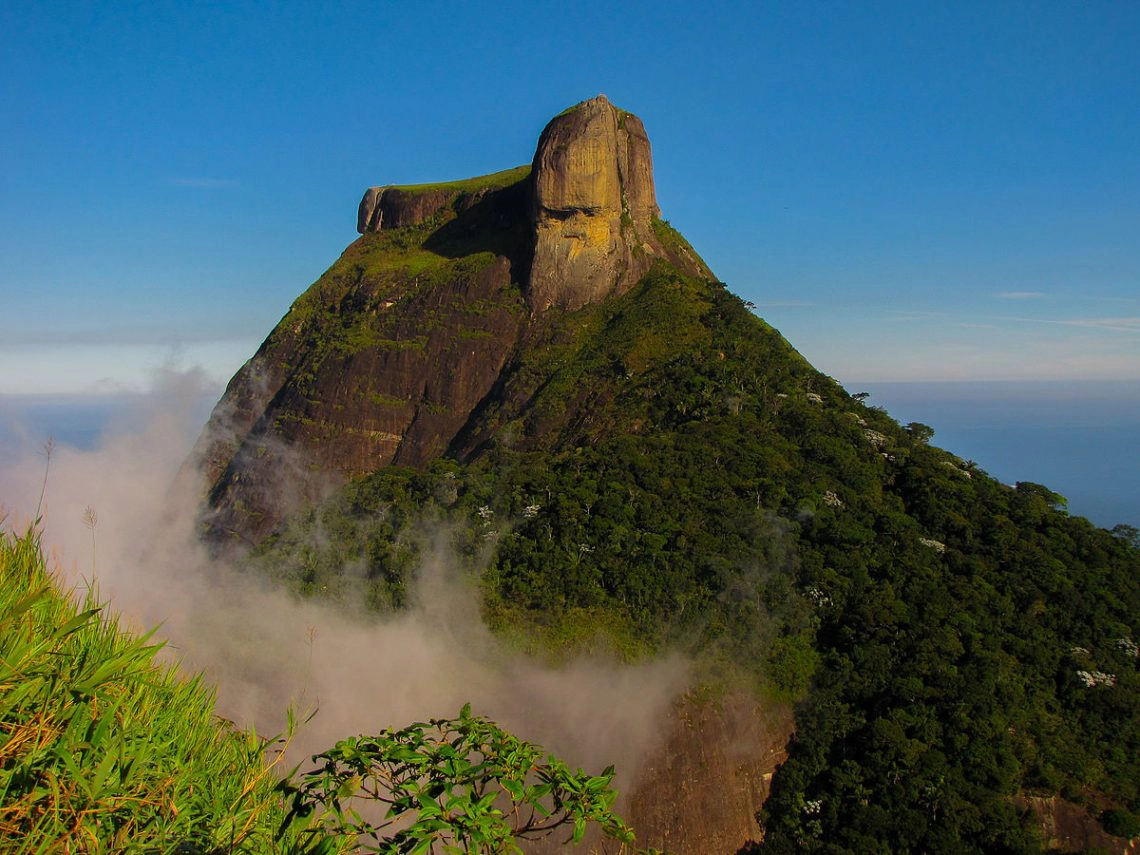
Pedra da Gávea rises 842 meters above sea level and demands sustained effort over exposed granite. The trail involves vertical scrambles, narrow ledges, and sections where hands meet rock—fitness alone won't carry you through without a head for heights. This guide maps the physical and psychological demands so you know what awaits.
Quick answer
The pedra da gávea hike difficulty sits at the high-moderate to challenging threshold: 800 meters of elevation gain over 3 kilometers one-way, exposed rock scrambles requiring both hands, and 4 to 6 hours round trip depending on pace. Most hikers with regular cardio fitness and comfort on uneven terrain complete it successfully, but the final approach to the summit includes a near-vertical rock section that stops those uncomfortable with height exposure or basic climbing movements.
Pedra da Gávea is the world's largest coastal monolith, and its summit trail crosses terrain that shifts character three times before you reach the top. The first segment through Atlantic rainforest feels deceptively manageable—shaded switchbacks on compact earth, steady but negotiable for anyone who hikes regularly. Elevation accumulates quickly, and within the first hour most climbers register the cardiovascular load: 800 vertical meters compressed into a short horizontal distance means your heart rate stays elevated from the trailhead onward. The trail's reputation hinges on what happens after the forest canopy opens. Exposed granite slabs replace dirt paths, and the route demands scrambling—using hands to pull yourself over boulders, balancing across narrow rock bridges, and trusting foot placements on surfaces smooth enough to punish hesitation. The Carrasqueira, a near-vertical rock face roughly 15 meters high, marks the psychological threshold of the pedra da gávea hike difficulty. Fixed ropes assist the ascent, but you're climbing with your body weight committed to handholds and footholds, not walking. Guides report this segment filters out roughly one in ten climbers who reach it, not from exhaustion but from discomfort with the exposure. Fitness requirements are straightforward: sustained aerobic capacity for 90 minutes of continuous climbing, leg strength to absorb the descent's impact on knees and ankles, and core stability to hold your body close to rock during scrambles. A benchmark many guides reference: if you can hike 10 kilometers on varied terrain without needing extended breaks, your cardiovascular system will handle the ascent. What fitness cannot substitute is comfort with heights and willingness to trust your hands on rock. The summit platform sits at 844 meters with vertical drops on three sides—wind gusts are common, and the final 20 meters require crawling along a ridgeline where exposure is total. Weather compounds difficulty more than most coastal hikes. Rain turns granite slippery within minutes, and afternoon cloud cover erases visibility on the summit plateau, disorienting even experienced climbers on the descent. The trail's technical sections—Carrasqueira, the ridgeline traverse, and a smaller scramble near the halfway mark—become objectively dangerous when wet. Morning starts between 08:00 and 09:00 align with the driest window and allow descent before the park's 17:00 closure, but they also mean climbing the Carrasqueira under direct sun, which raises core temperature and accelerates dehydration. The descent taxes different muscle groups and tests knee stability more than the climb. Loose gravel on steep grades, polished rock underfoot, and fatigue-induced lapses in foot placement cause most injuries reported on the trail. Trekking poles redistribute load and improve stability, particularly in the final forest section where roots cross the path at ankle-trapping angles. Climbers who budget 4 hours total often underestimate descent time—6 hours round trip is the safer working figure, especially for those unfamiliar with sustained downhill hiking.
“The Carrasqueira filters climbers not by fitness but by willingness to commit body weight to vertical rock.”
The Pedra da Gávea hike consists of three distinct segments: a forested approach, a technical rock scramble, and a final summit push. The full ascent takes 3 to 4 hours, with descent requiring an additional 2 to 3 hours.
The official entry point sits at the base of the trail; many hikers miss the turnoff and continue past it on the road. Arrive early to avoid crowds on the narrow technical sections.
This 1.5-hour segment gains elevation through shaded Atlantic rainforest on uneven, often muddy terrain. Roots and loose rocks demand attention even before the technical climbing begins.
The 30-meter vertical slab defines the hike's difficulty; metal rungs and a cable guide your climb, but exposure is significant and rain makes the surface slippery. This segment filters out hikers without scrambling experience.
After the Carrasqueira, the trail crosses unstable talus and requires route-finding through unmarked rock passages. Loose stones shift underfoot, and the correct path is not always obvious.
The final 30-minute push involves steep exposed sections with minimal handholds. Wind intensifies near the top, and the 800-meter sheer drop demands focus through the last scramble.
To safely manage the physical demands of the Pedra da Gávea hike, arriving at the trailhead between 08:00 and 09:00 is essential. This timing protects you from intense mid-day heat and ensures you complete the descent before the park closes at 17:00.
Cooler, lower humidity, 18°C to 25°C.
This period offers the most stable weather and cooler temperatures, reducing physical fatigue during the steep climb. Visibility is typically high, providing clear views from the summit.
Mild temperatures, moderate rain risk, 20°C–27°C.
These transitional months balance comfortable hiking conditions with fewer visitors. Cloud cover can sometimes roll in by afternoon, so check local forecasts before departing.
—
Starting between 08:00 and 09:00 on a weekday prevents congestion at challenging passage points. It also ensures ample daylight to finish the descent before 17:00.
Verdict: The optimal slot is a Tuesday to Thursday between June and August, arriving at the trailhead between 08:00 and 09:00.
Many hikers underestimate the technical demands of Pedra da Gávea, leading to delays, injuries, or abandoning the summit attempt. Recognizing these errors before departure reduces risk and improves your chance of completing the route safely.
Wearing running shoes or casual sneakers
The Carrasqueira scramble and exposed rock slabs demand ankle support and aggressive tread. Bring approach shoes or hiking boots with sticky rubber soles.
Ignoring weather forecasts and hiking during afternoon storms
Afternoon thunderstorms develop quickly in Rio's mountains, making wet rock extremely dangerous. Check forecasts the night before and start early to descend before weather deteriorates.
Carrying insufficient water for a 6–8 hour round trip
The exposed trail offers no water sources and tropical heat accelerates dehydration. Carry at least 2–3 liters per person and drink steadily throughout the ascent.
Attempting the Carrasqueira without prior scrambling experience
This Class 3 rock section requires handholds, balance, and exposure tolerance; novices often freeze or retreat. Consider hiring a guide for your first attempt or gain scrambling experience on easier routes first.
Starting the hike after 10:00 and running out of daylight
The park closes at 17:00 and descending the Carrasqueira in darkness is hazardous. Arrive at the trailhead between 08:00–09:00 to allow 6–8 hours for the round trip with margin.
Skipping breakfast or bringing no snacks for energy
The 2,800-foot elevation gain over steep terrain depletes glycogen stores rapidly. Eat a solid breakfast and pack high-calorie snacks like nuts, bars, or dried fruit to maintain energy through the climb.
Pedra da Gávea is open daily to visitors. Planning your arrival between 08:00 and 09:00 is recommended to manage the hike duration and avoid mid-day heat.
Pedra da Gávea is part of the Tijuca National Park, which does not charge an entrance fee for visitors. There are no official ticket tiers, reservations, or costs required to access the trail.
Verdict: The typical adult pays 0 BRL to enter the park, as there are no official entrance fees associated with this hike.
Everything you need to know about pedra da gávea hike difficulty
The trail is widely considered strenuous, requiring good physical conditioning and experience with steep terrain. Many hikers find the pedra da gávea hike difficulty high due to the length and constant incline.
While there is no official rating, most experts categorize it as a challenging trek that requires endurance. Assessing your fitness level is essential before committing to the pedra da gávea hike difficulty presented by this mountain.
Different paths offer varied terrain, yet all converge on a demanding ascent toward the granite summit. You should research each trail's specific pedra da gávea hike difficulty before starting your journey.
The final section, known as the Carrasqueira, requires a vertical rock scramble that significantly increases the perceived intensity of the hike. This technical segment is often the deciding factor for those concerned about overall safety.
Park access is free, with no official fee required for entry. Visitors do not need to pay to enter this section of the Tijuca National Park.
The best arrival window is between 08:00 and 09:00 to avoid the peak heat of the day. Finishing your descent before the park closes at 17:00 ensures a safer experience.
This trail is generally not recommended for children due to the high intensity, steep sections, and required rock scrambling. Most families opt for easier trails within the surrounding national park.
Many visitors underestimate the water requirement and lack of shade along the trail. Proper hydration and planning for the heat are vital to managing the physical demands of the ascent.